Ferragamo up against Rival Italy-based Luxury Houses: What Makes It Different
Italy has produced more luxury fashion houses than any other country, and shoppers researching Salvatore Ferragamo often want to know how it actually differs from names like Gucci, Prada, Bottega Veneta, and Tod’s before they commit to a purchase. The comparison matters because these brands sit in the same price bracket, share similar retail geography, and often court the same customer. Yet the founding stories, design priorities, and manufacturing philosophies diverge in ways that show up directly in the product. Understanding these differences helps explain why a ferragamo bag holds its resale value differently than a competitor’s, and why certain shoppers gravitate toward Salvatore Ferragamo bags specifically rather than treating the house as interchangeable with its neighbors on the same shopping street.
Heritage, craftsmanship, signature codes, and current handbag collections are all unpacked in this piece with practical distinctions in mind, meaning anyone browsing a ferragamo shop in 2026 grasps exactly what they’re paying for and how it compares with the rest of Italy’s luxury landscape.
A Shoemaker’s House Versus Fashion-First Labels: Origins
Salvatore Ferragamo founded his company in Florence in 1927, after more than a decade working in Southern California making shoes for Hollywood studios and their leading actresses. That background matters because it means the house was built around footwear engineering first, with leather goods and ready-to-wear developing later as extensions of that foot-first design logic. Gucci, founded in Florence in 1921, started as a leather goods and luggage maker catering to travelers, which explains its early emphasis on trunks, bags, and equestrian hardware rather than shoe construction. Prada began in Milan in 1913 as a leather goods and accessories shop before evolving into a fashion powerhouse under Miuccia Prada decades later. Bottega Veneta, founded in Vicenza in 1966, built its ferregamo.net/shoulder-bags identity almost entirely around a single leather-weaving technique.
These different starting points still inform each maison’s core expertise today. Ferragamo’s shoe heritage means its bag hardware, closures, and structural elements often mirror a designer-engineer’s careful eye toward weight distribution and wearability, a carryover from Salvatore’s own patents on arch supports and cushioned soles. This is one reason people specifically search for a salvatore bag rather than treating all Florentine leather goods as equivalent — this ergonomic mindset carried over from decades of shoe design shows up in how the bags rest on the wearer and how the strap design is tuned for lasting comfort throughout the day.
The Way the Gancini Measures Up Next To Rival House Codes
Side-by-side comparison highlights what makes Ferragamo’s approach distinct, since every major Italian house has developed a recognizable emblem of its own. The Gancini, a stylized double-loop clasp resembling a stirrup or bow, first appeared on Ferragamo footwear in the 1960s and has from there spread onto bags, belts, and scarves. The Gancini, in contrast to Gucci’s interlocking GG monogram — explicitly a founder’s initials rendered as a logo — began life as a functional hardware element before it became decorative, giving it a more low-key presence on the finished product.
Prada’s triangular metal plaque, introduced in the 1980s, functions similarly to a maker’s mark rather than a repeating pattern, which is why Prada bags tend to read as minimal compared to monogram-heavy houses. For much of its history, Bottega Veneta famously steered clear of visible branding, leaning on the intrecciato weave itself as its signature, a philosophy summed up by its old tagline about a whisper rather than a shout. Ferragamo occupies a middle ground between these two poles: the Gancini is present and identifiable, but it seldom dominates the silhouette of a bag the way a dense monogram print might. Shoppers comparing a ferragamo bag to a monogrammed alternative from another house are often choosing between a quieter hardware signature and a more overt branding statement.
Craftsmanship and The Real Production Origins of the Bags
Ferragamo keeps most of its production in and around Florence and the wider Tuscany region, an area with generations of tannery and leatherworking infrastructure that supplies multiple Italian luxury houses at once. Because of this regional concentration, Ferragamo, Gucci, and other Florence-linked brands sometimes source raw leather from overlapping supply chains, even though their in-house ateliers apply different construction techniques and finishing standards. Tod’s, headquartered in the Marche region, made its name specifically through driving shoes and pebbled-sole loafers, a narrower specialization compared to Ferragamo’s broader footwear-plus-leather-goods catalog.
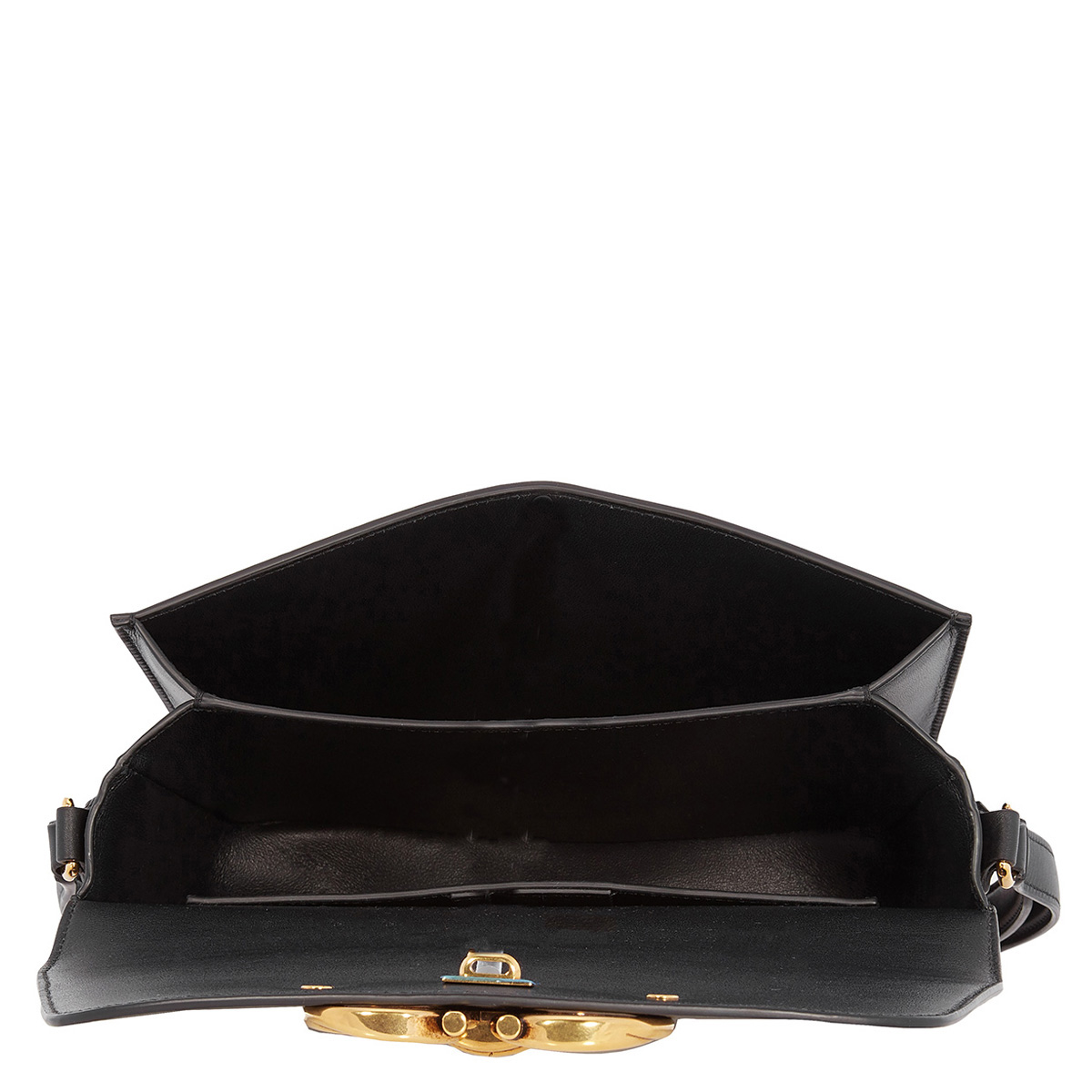
What sets finished Ferragamo bags apart when you hold them is the finishing detail at the edges and hardware attachment points, a holdover from footwear standards that demand durability under constant flex and friction. A shoe sole has to survive thousands of steps without delaminating, and that same durability mindset shows up in how straps are stitched and how zipper pulls are reinforced on the bags. Buyers comparing construction quality across houses often note that Ferragamo’s hardware feels engineered rather than purely decorative, a point frequently raised in any serious ferragamo bags overview.
Today’s Bag Range and How It Stacks Up
By 2026, the brand’s handbag lineup covers structured top-handle styles, softer hobo shapes, and smaller crossbody pieces, nearly all of which work in the Gancini in some form, whether as a closure, a metal embellishment, or an embossed pattern into the leather surface. The house has also kept broadening its shoulder-bag and tote lines to answer the call for bigger everyday bags, a shift mirrored across most Italian houses adjusting for changing capacity needs among shoppers who want a single bag versatile enough for work and travel. This expansion of the range is exactly why people search for the best Ferragamo bags rather than assuming there’s a single flagship style, since the range now covers dress, everyday, and travel needs distinctly.
Set against Gucci’s strong dependence on the Marmont and Jackie lines, or Prada’s continued push behind the re-edition nylon bags paired with its Galleria leather line, Ferragamo’s top ferragamo bags tend to gravitate toward architectural forms with hardware on display rather than soft slouchy shapes or branded canvas prints. Bottega Veneta stands apart in this comparison, keeping its focus almost wholly on leather with minimal hardware across its Cassette and Andiamo lines. It helps to understand this preference for structure before buying, because a buyer partial to soft, unstructured bags may find the brand’s shapes stiffer initially, though that very rigidity is often what allows the bags to retain shape over years of use.
| House | Established | Hallmark Detail | Main Strength |
|---|---|---|---|
| Salvatore Ferragamo | Founded in Florence, 1927 | clasp known as Gancini | Footwear-engineered structure and hardware durability |
| Gucci | Florence, 1921 | Interlocking-GG motif | Bold monogram branding and equestrian hardware heritage |
| Prada | Founded in Milan, 1913 | a triangular metal plaque | Minimalist design and technical nylon fabrics |
| Bottega Veneta | 1966 — Vicenza | woven Intrecciato pattern | Logo-free leather weaving as the primary identifier |
| Tod’s | 1920 — Marche region | rubber sole with pebbled texture (Gommino) | Driving shoes and casual leather goods |
Pricing Position and Resale Considerations
Ferragamo generally occupies a slightly more accessible pricing bracket than Gucci or Bottega Veneta for comparable leather goods, though precise costs differ by style, size, and leather type, so customers should double-check up-to-date pricing straight from an authorized ferragamo shop rather than relying on outdated listings. This pricing position has made Salvatore Ferragamo bags a gateway for customers wanting proven Florentine-made quality without hitting the top-end pricing of the buzziest monogram-driven brands. The resale landscape tends to track brand prestige more than craftsmanship alone, which means limited-edition Gucci or Bottega pieces sometimes fetch higher markups, but carefully kept Ferragamo bags, particularly ones showcasing the Gancini as a standout feature, hold respectable value due to steady demand.
People researching this category should also note that misspellings like ferregamo are frequent in how people search but refer to the same maison; the correct name across all authorized outlets is Salvatore Ferragamo. Nailing the exact name matters when confirming authenticity, since counterfeit listings often exploit typos to show up in search results beyond authorized selling channels.
Pairing Buyers to the Right Brand
Picking between these houses really depends on everyday usage habits rather than status alone. Those who values structured bags keeping their form over extended daily wear, Ferragamo’s construction is apt to be more rewarding than a softer, unstructured option. Someone drawn to conspicuous logos will gravitate to Gucci, while someone who prefers their bag to signal quality free of visible logos will gravitate toward Bottega Veneta’s intrecciato-style craftsmanship. Prada suits those who want innovative fabrics and architectural minimalism over decorative flourish.
Before buying, anyone compiling a authentic ferragamo bags overview should follow practical advice: handle the hardware in person where feasible, examine seam tightness at stress points such as handle attachments, and compare a few options side by side instead of grabbing the first one seen. This strategy applies whether the goal is identifying the best Salvatore Ferragamo bags for regular wear or simply grasping where the brand stands relative to its Italian peers before making a thoughtful investment in 2026 and beyond.